The Enduring Appeal of the Vintage Filigree Frame: Baroque Decorative Art in Modern Design
In an era dominated by minimalist aesthetics and flat design, there is a compelling counter-movement toward richness, texture, and historical depth. At the heart of this resurgence lies the Vintage Filigree Frame. Baroque Decorati style—a visual language that speaks to elegance, craftsmanship, and timeless sophistication. For designers, marketers, and content creators, understanding how to leverage these ornate elements is no longer just about nostalgia; it is about creating visual hierarchy and emotional resonance in a crowded digital landscape.
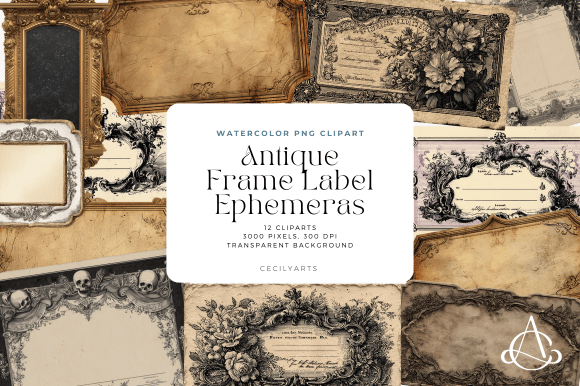
The demand for high-quality assets, such as a vintage filigree frame. Baroque decorative ornate border isolated on white background EPS, JPG, SVG, transparent PNG, has surged among professionals who recognize that detail drives engagement. Whether used in wedding invitations, luxury branding, or editorial layouts, these intricate borders offer a versatility that modern geometric shapes often lack. This article explores why these classical elements are finding new life in contemporary workflows and how you can integrate them effectively into your creative projects.
Why Baroque Ornamentation Matters in Contemporary Visuals
The Baroque period, known for its exuberance and dramatic detail, introduced a level of artistic complexity that continues to captivate audiences today. When we refer to Vintage Filigree Frame. Baroque Decorati, we are discussing more than just a decorative border; we are referencing a design philosophy that values intricacy and grandeur. In modern contexts, this translates to a desire for authenticity and perceived value.
Consumers and viewers are increasingly skeptical of generic, template-based designs. They respond positively to visuals that suggest care, history, and artisanal quality. A well-crafted filigree frame acts as a visual anchor, drawing the eye inward and framing the central content with a sense of importance. This is particularly relevant for businesses aiming to position themselves in the premium or luxury sector. The psychological impact of ornate detailing suggests heritage and stability, qualities that are highly sought after in industries ranging from hospitality to high-end retail.
Furthermore, the contrast between the complex, organic lines of Baroque decor and the clean, sans-serif typography of modern web design creates a dynamic tension that is visually stimulating. This juxtaposition prevents designs from feeling sterile while maintaining readability and user-friendly navigation. It is a balance of old-world charm and new-world functionality.
The Evolution of Digital Assets: From Static Images to Flexible Vectors
The way designers access and utilize decorative elements has undergone a significant transformation. In the past, incorporating a detailed border required manual illustration or scanning physical prints, a process that was time-consuming and limited in scalability. Today, the availability of a vintage filigree frame. Baroque decorative ornate border isolated on white background EPS, JPG, SVG, transparent PNG has democratized access to high-end design resources.
Each file format serves a distinct purpose in the modern creative workflow:
- EPS (Encapsulated PostScript): Ideal for print professionals, EPS files allow for infinite scaling without loss of quality. This is crucial for large-format printing, such as banners or packaging, where pixelation would ruin the delicate details of the filigree.
- SVG (Scalable Vector Graphics): As web design moves toward responsive layouts, SVGs have become indispensable. They remain crisp on any screen size, from mobile phones to 4K monitors, and can be manipulated via CSS for interactive effects, such as color changes on hover.
- Transparent PNG: For quick compositing in social media graphics or presentations, transparent PNGs offer immediate usability. They eliminate the need for complex masking, allowing creators to drop the ornate border directly onto photos or colored backgrounds.
- JPG: While less flexible due to the lack of transparency, JPGs remain useful for quick previews or web-based mockups where file size is a primary concern.
This variety ensures that the Vintage Filigree Frame. Baroque Decorati aesthetic is not confined to traditional print media. It is fully integrated into the digital ecosystem, allowing for seamless adaptation across various platforms and devices.
Practical Applications for Creators and Businesses
Integrating ornate borders into your work requires a strategic approach. Simply adding a decorative element does not guarantee a successful design; it must serve a functional or emotional purpose. Here are several practical scenarios where these assets add significant value:
Luxury Branding and Packaging
For brands selling premium products—such as cosmetics, jewelry, or artisanal foods—the unboxing experience is critical. Using a vintage filigree frame. Baroque decorative ornate border isolated on white background EPS, JPG, SVG, transparent PNG on packaging labels or inserts elevates the perceived value of the product. The intricate details suggest that the contents are equally refined. When designing these assets, ensure that the filigree does not overwhelm the brand logo or essential information. Use it as a subtle border or a watermark to maintain clarity.
Editorial and Content Marketing
In long-form content, such as e-books, whitepapers, or magazine-style blog posts, visual breaks are essential for reader retention. Ornate headers or section dividers derived from Baroque designs can guide the reader through the text, providing moments of visual rest. This technique is particularly effective for lifestyle, fashion, and historical topics, where the aesthetic aligns with the subject matter. However, for technical or corporate reports, use these elements sparingly to avoid distracting from the data.
Event Invitations and Stationery
The wedding and event industry remains one of the largest consumers of filigree designs. Couples and event planners seek unique, personalized touches that reflect the tone of the occasion. A Vintage Filigree Frame. Baroque Decorati style conveys formality and romance. Digital invitation platforms now allow users to customize these frames with their own text and colors, making high-end design accessible to a broader audience. The key here is customization; offering variations in color and opacity allows users to match the frame to their specific theme.
Navigating Trends: Balancing Ornamentation with Minimalism
While the appreciation for detailed design is growing, it exists alongside the enduring popularity of minimalism. The challenge for modern creators is to blend these two seemingly opposing styles. This hybrid approach, often referred to as "maximalist minimalism," involves using ample white space paired with a single, striking ornate element.
For instance, consider a website landing page with a clean, white background and simple black text. Placing a single, gold-toned vintage filigree frame. Baroque decorative ornate border isolated on white background EPS, JPG, SVG, transparent PNG around the central call-to-action button or hero image creates a focal point without cluttering the interface. This strategy respects the user’s need for clarity while satisfying the desire for visual interest.
It is also important to consider cultural context. Baroque and filigree styles have different connotations in various regions. In some markets, they signify tradition and reliability; in others, they may be perceived as outdated or overly formal. Understanding your target audience’s preferences is crucial. Conducting A/B testing with and without ornate elements can provide data-driven insights into what resonates best with your specific demographic.
Technical Considerations for High-Quality Implementation
To ensure that your use of Vintage Filigree Frame. Baroque Decorati elements looks professional, attention to technical detail is non-negotiable. Poorly executed ornaments can appear cheap or amateurish. Here are some best practices:
- Resolution and Scaling: Always start with vector formats (EPS or SVG) when possible. If you must use raster images (JPG or PNG), ensure they are high-resolution (300 DPI for print, 72-150 DPI for web) to prevent jagged edges in the intricate curves.
- Color Harmony: Filigree designs often look best in metallic tones (gold, silver, bronze) or monochromatic shades that complement the background. Avoid using overly bright, neon colors unless you are aiming for a specific pop-art or ironic effect, which rarely aligns with the Baroque aesthetic.
- Layering and Depth: When using transparent PNGs, consider adding subtle drop shadows or inner glows to create a sense of depth. This makes the frame appear as if it is sitting slightly above the background, enhancing the three-dimensional feel of the design.
- Consistency: If you use a filigree frame on one page or asset, maintain a consistent style throughout the campaign. Mixing different styles of ornamentation can create visual confusion and dilute the brand identity.
By adhering to these guidelines, you can ensure that your decorative elements enhance rather than detract from your overall design strategy. The goal is to create a cohesive visual narrative that leverages the beauty of the past to engage the audiences of the present.
In conclusion, the Vintage Filigree Frame. Baroque Decorati is more than a decorative trend; it is a versatile tool for communication and branding. As digital tools evolve and consumer tastes shift toward authenticity and detail, the ability to skillfully incorporate these ornate elements will remain a valuable skill for creators and businesses alike. By understanding the technical formats, practical applications, and strategic balance required, you can harness the power of Baroque elegance to elevate your visual presence in a meaningful way.