Continuous Line Design of a Patient: Minimalist Art for Healing Spaces
In the evolving landscape of interior design and digital content creation, there is a growing appreciation for art that communicates complex emotions through simplicity. The Continuous Line Design of a Patient represents a unique intersection of medical humanity and artistic minimalism. This style, characterized by a single, unbroken stroke that forms the subject, captures the essence of care, vulnerability, and rest without the clutter of excessive detail. For creators, healthcare professionals, and business owners looking to infuse their projects with empathy and modern aesthetics, understanding this design approach offers significant value.
The Essence of Unbroken Simplicity
At its core, a continuous line drawing relies on the artist’s ability to define form without lifting the pen from the paper—or in the digital realm, without breaking the vector path. When applied to the subject of a patient, this technique strips away the clinical sterility often associated with medical imagery. Instead, it focuses on the human element. The resulting image is fluid, organic, and inherently calming.
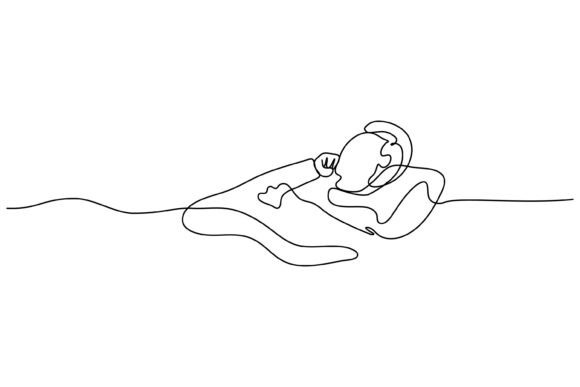
The Continuous line design of a patient sleeping in bed is particularly powerful. Sleep is a universal symbol of recovery and peace. By rendering this scene in a single line, the artwork suggests continuity—of life, of care, and of hope. There are no sharp edges or abrupt stops, mirroring the gentle, ongoing nature of the healing process. This visual metaphor makes such designs exceptionally suitable for environments where stress reduction is a priority.
Key Characteristics and Visual Appeal
What sets these designs apart from traditional illustrations? The answer lies in their restraint. Here are the defining features:
- Minimalist Aesthetic: The use of negative space is just as important as the line itself. On a white background, the black or colored line stands out sharply, creating a clean, modern look that fits seamlessly into various design schemes.
- Emotional Resonance: Despite the lack of facial details or intricate textures, the posture of the patient conveys emotion effectively. A curled figure suggests comfort; a still figure suggests deep rest.
- Versatility: Because the design is abstract yet recognizable, it avoids specific demographic markers unless intentionally added. This universality allows it to resonate with a broad audience.
Practical Applications for Creators and Businesses
Understanding where to use these assets is crucial for maximizing their impact. The versatility of SVG, EPS, and JPG formats means these designs can be scaled from a tiny favicon to a large wall mural without losing quality. Below are several sectors where this art form shines.
Healthcare and Wellness Facilities
Hospitals, clinics, and private practices often struggle with branding that feels too cold or corporate. Incorporating a Continuous Line Design of a Patient into brochures, waiting room decor, or website headers can soften the environment. It signals to patients that they are seen as people, not just cases. For mental health professionals, these images can serve as calming visual anchors in therapy offices, helping to reduce anxiety during consultations.
Digital Content and Social Media
For bloggers, influencers, and health coaches, visual consistency is key. Single-line decorative elements drawn on a white background provide a cohesive look for Instagram posts, Pinterest pins, and blog headers. They load quickly due to their simple geometry, improving user experience on mobile devices. Moreover, their minimalist nature ensures that text overlays remain readable, making them ideal for educational carousels about sleep hygiene, recovery tips, or patient rights.
Product Design and Merchandise
Entrepreneurs creating products for the wellness market—such as journals, yoga mats, or sleep aids—can leverage these designs for packaging and product prints. The elegance of a single line appeals to consumers seeking sophisticated, understated luxury. A notebook featuring a continuous line design of a patient sleeping in bed might appeal to nurses, doctors, or caregivers looking for meaningful gifts that reflect their profession’s compassionate side.
Technical Considerations: EPS, SVG, and JPG
When acquiring or creating these assets, understanding file formats is essential for practical application. Most professional resources will offer a bundle including EPS, SVG, and JPG files. Each serves a distinct purpose:
- SVG (Scalable Vector Graphics): This is the preferred format for web use. SVGs are code-based, meaning they remain crisp at any size and have small file sizes. They are also editable via CSS, allowing developers to change the line color dynamically to match a website’s theme.
- EPS (Encapsulated PostScript): Ideal for print professionals. If you are designing a large banner for a medical conference or printing high-quality brochures, EPS files ensure that the lines remain smooth and free of pixelation. They are compatible with major design software like Adobe Illustrator and CorelDRAW.
- JPG (Joint Photographic Experts Group): While not scalable, JPGs are universally compatible. They are useful for quick previews, social media uploads where vector support is limited, or for users who do not have advanced design software. However, care must be taken to ensure the white background blends seamlessly with the intended display surface.
Evaluating Suitability for Your Project
Before integrating a Continuous Line Design of a Patient into your workflow, consider the following questions to ensure it aligns with your goals:
Does the tone match your message? These designs are serene and contemplative. They may not be suitable for high-energy emergency service advertisements but are perfect for rehabilitation centers, sleep studies, or holistic health brands.
Is the context respectful? While abstract, the subject matter is human. Ensure that the placement of the image respects the dignity of patients. Avoid using these designs in a way that trivializes medical conditions. Instead, use them to highlight care, rest, and recovery.
How does it interact with other elements? Because these are single-line decorative elements drawn on a white background, they pair well with serif fonts for a classic look or sans-serif fonts for a modern feel. Avoid cluttering the space around the line; let the negative space breathe to maintain the minimalist impact.
Strengths and Limitations
Like any design choice, this style has its strengths and considerations. The primary strength is its timelessness. Unlike trendy illustrations that may date quickly, continuous line art harkens back to classical sketching techniques, giving it an enduring quality. It is also highly adaptable across cultures, as the human form in rest is a universally understood concept.
However, a limitation is the lack of specificity. If a project requires depicting a specific medical procedure, equipment, or diverse demographic details, a simple line drawing may be too abstract. In such cases, it might serve better as a complementary element rather than the primary visual. Additionally, because the style is popular, finding a truly unique variation requires careful curation or custom commissioning to avoid generic stock imagery looks.
Real-World Scenarios
Consider a telehealth platform launching a new feature focused on mental wellness. Using a continuous line design of a patient sleeping in bed as the hero image on the landing page immediately communicates the benefit: restful, supported care. The simplicity of the image reduces cognitive load for users who may already be stressed, making the interface feel more approachable.
Alternatively, imagine a local pharmacy creating a community outreach program for elderly care. Brochures featuring gentle, continuous line art of patients being cared for can help destigmatize the need for assistance, framing it as a natural, graceful part of life rather than a burden.
Conclusion
The Continuous Line Design of a Patient is more than just a stylistic choice; it is a tool for communication that bridges the gap between clinical precision and human warmth. By utilizing these single-line decorative elements drawn on a white background, creators and businesses can convey messages of care, tranquility, and professionalism. Whether you are designing a hospital wing, a wellness app, or a piece of merchandise, the availability of high-quality EPS, SVG, and JPG files ensures that you can implement this aesthetic with ease and precision.
As we move towards more empathetic design practices, embracing minimalism that speaks to the human experience will continue to grow in relevance. By choosing art that reflects the quiet dignity of recovery and rest, you contribute to a visual culture that values both beauty and compassion. Explore these designs not just as decorations, but as meaningful components of a broader narrative about health, healing, and humanity.