Continuous Line Design of Muscle: Merging Anatomical Precision with Minimalist Art
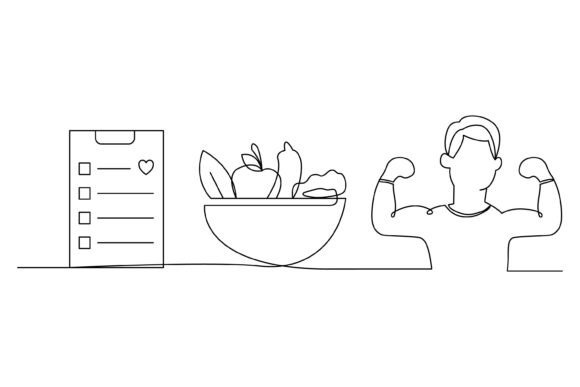
The intersection of anatomical study and minimalist art has given rise to a compelling visual trend known as the continuous line design of muscle. This artistic approach captures the complexity of human physiology through a single, unbroken stroke, creating a striking balance between scientific accuracy and aesthetic simplicity. For fitness professionals, graphic designers, tattoo artists, and health educators, this style offers a unique way to visualize strength, movement, and the intricate mechanics of the human body. Unlike traditional anatomical illustrations that rely on shading, color gradients, and multiple outlines to define form, continuous line art strips away the excess, leaving only the essential contours that define muscle structure.
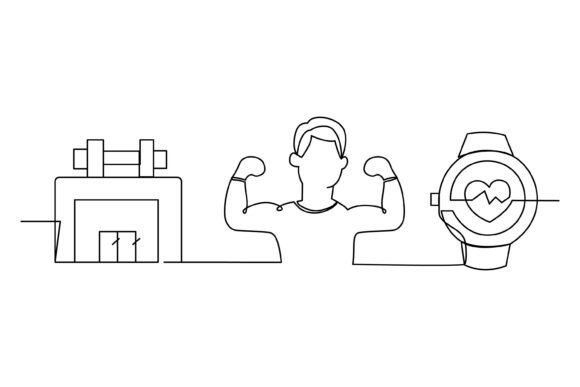
The appeal of this design philosophy lies in its ability to convey motion and tension. A muscle is never static; it contracts, extends, and interacts with surrounding tissues. By using a single decorative element drawn on white, artists can simulate the fluidity of these biological processes. The result is an image that feels alive, capturing the dynamic nature of muscle strength training at the gym without the clutter of realistic detail. This method requires a deep understanding of both anatomy and composition, as the artist must plan the entire path of the line before committing to paper or digital canvas. One mistake can disrupt the flow, making the execution of such designs a testament to precision and planning.
The Aesthetic and Functional Value of Single-Line Anatomy
In the realm of visual communication, clarity is paramount. The continuous line design of muscle excels in environments where information needs to be processed quickly yet retained effectively. Consider the modern gym environment, which is often saturated with bold typography and high-contrast imagery. A minimalist line drawing stands out by offering a moment of visual calm. It invites the viewer to trace the path of the muscle, engaging them in a subtle interactive experience. This engagement is crucial for educational materials, where understanding the origin and insertion points of a muscle group can enhance training efficacy.
For creators and business owners, the versatility of this art style is a significant advantage. Because the design relies on negative space and clean lines, it scales effortlessly across various media. Whether printed on a large banner for a fitness expo or reduced to a small icon on a mobile app interface, the integrity of the design remains intact. This scalability is particularly valuable for branding purposes. Fitness studios, physiotherapy clinics, and sports nutrition brands can utilize these images to convey professionalism and a modern, science-backed approach to health. The absence of color allows the design to integrate seamlessly into diverse brand palettes, ensuring consistency across marketing materials.
Furthermore, the psychological impact of minimalist art should not be underestimated. Complex, hyper-realistic images can sometimes feel clinical or intimidating to the average consumer. In contrast, a single line decorative element feels approachable and elegant. It demystifies the human body, presenting it as a harmonious system rather than a collection of isolated parts. This perspective aligns well with holistic health trends that emphasize balance, functionality, and mindful movement over sheer aesthetics. By adopting this visual language, businesses can position themselves as advocates for sustainable, intelligent fitness practices.
Applications in Fitness Education and Branding
The practical applications of continuous line design of muscle extend far beyond decorative purposes. In educational contexts, these illustrations serve as powerful tools for explaining biomechanics. When teaching proper form for exercises like squats, deadlifts, or bench presses, instructors often struggle to highlight specific muscle engagements without overwhelming students with text. A series of continuous line drawings can visually map the primary and secondary muscles involved in each movement. For instance, a single line tracing the quadriceps, hamstrings, and glutes during a squat can instantly communicate the kinetic chain involved in the lift.
For digital content creators, these assets are invaluable. Social media platforms favor clean, eye-catching visuals that stop the scroll. A well-executed line drawing of a bicep curl or a plank position can serve as the focal point of an instructional post, providing immediate context before the user even reads the caption. Moreover, because these designs are typically available in vector formats such as EPS and SVG, they can be animated with relative ease. Motion graphics designers can animate the line drawing itself, simulating the contraction and relaxation of muscles in real-time. This dynamic representation offers a level of insight that static images cannot match, making it an excellent resource for online coaching programs and fitness apps.
In the commercial sector, the demand for unique, non-stock imagery is growing. Many fitness brands are moving away from generic photos of models in favor of custom illustrations that reflect their specific brand identity. A continuous line design offers a distinctive look that is difficult to replicate with standard photography. It suggests a bespoke, curated experience, appealing to consumers who value exclusivity and design sophistication. Additionally, these images are ideal for merchandise. T-shirts, tote bags, and water bottles featuring minimalist muscle art appeal to fitness enthusiasts who want to display their passion subtly, without the loudness of traditional gym wear graphics.
Technical Considerations for Digital Assets
When integrating these designs into your workflow, understanding the file formats is essential. The prompt specifies that you will get EPS, SVG, and JPG files, each serving a distinct purpose in the digital ecosystem. The SVG (Scalable Vector Graphics) format is particularly crucial for web development. As a vector format, it ensures that the continuous line design of muscle remains crisp and clear at any resolution. This is vital for responsive web design, where images must adapt to various screen sizes, from smartphones to 4K monitors. SVGs are also lightweight, contributing to faster page load times, which is a key factor in SEO and user experience.
The EPS (Encapsulated PostScript) format is the standard for print production. If you are designing brochures, posters, or packaging for fitness products, EPS files allow printers to scale the artwork without any loss of quality. This format preserves the editable paths of the vector, enabling graphic designers to modify line weights, colors, or compositions if necessary. This flexibility is important for maintaining brand consistency across different print mediums. On the other hand, the JPG format is suitable for quick previews, social media uploads, or situations where vector editing is not required. While JPGs are raster images and do not scale infinitely, they are universally compatible and easy to share.
It is also important to consider the background context. The description notes a "single line decorative element drawn on white." This choice of background is strategic. White space, or negative space, is a fundamental principle of minimalist design. It provides breathing room for the eye, allowing the viewer to focus entirely on the form of the muscle. When using these assets, ensure that the surrounding design elements do not compete with the line work. Cluttered backgrounds can obscure the delicate nuances of the continuous line, diminishing its impact. Instead, opt for clean layouts that let the artwork speak for itself.
Enhancing User Engagement Through Visual Storytelling
Ultimately, the power of continuous line design of muscle lies in its ability to tell a story. Each line represents a journey, a connection, and a function. When used effectively, these designs can transform dry technical information into engaging visual narratives. For researchers and educators, this means creating materials that are not only informative but also memorable. For hobbyists and creators, it offers a way to express their appreciation for the human form in a modern, artistic manner. The trend reflects a broader cultural shift towards minimalism and mindfulness, where less is indeed more.
As the fitness industry continues to evolve, the demand for high-quality, versatile visual content will only increase. Brands and individuals who adopt this sophisticated aesthetic will stand out in a crowded market. By leveraging the strengths of vector graphics and the elegance of continuous line art, you can create content that resonates with a broad audience. Whether you are designing a new logo, creating educational infographics, or developing a mobile application, the continuous line design of muscle provides a robust foundation for visual communication. It bridges the gap between science and art, offering a fresh perspective on strength, health, and the beauty of human anatomy.
In conclusion, the integration of these design elements into your projects offers numerous benefits. From improved readability and scalability to enhanced brand perception and user engagement, the advantages are clear. By understanding the technical requirements and creative potential of EPS, SVG, and JPG formats, you can maximize the utility of these assets. Embrace the simplicity and precision of continuous line art to elevate your visual storytelling and connect with your audience on a deeper, more meaningful level.