Open Seashell with Pearl: Underwater Art
Visual storytelling relies heavily on the quality and relevance of its assets. For designers, marketers, and content creators, finding the right illustration can transform a generic layout into something captivating. This is where the concept of an open seashell with pearl becomes more than just a decorative element; it serves as a versatile tool for conveying themes of value, nature, and tranquility. Specifically, the underwater element doodle drawing style offers a unique blend of whimsy and professionalism that appeals to a broad audience.
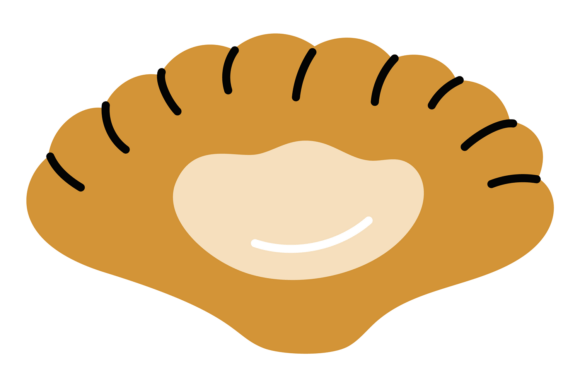
When we discuss an open seashell with pearl, we are referring to a specific type of vector cartoon flat isolated illustration. These digital assets are designed to be clean, scalable, and easy to integrate into various projects. Whether you are working on a wedding invitation, a spa brochure, or an educational presentation about marine life, the imagery of a tropical exotic clam holding a luminous pearl carries immediate symbolic weight. It suggests hidden treasures, natural beauty, and organic elegance.
Understanding the Visual Appeal
The charm of this specific illustration style lies in its simplicity. A vector cartoon flat isolated illustration removes the clutter of hyper-realism, focusing instead on shape, color, and composition. This approach makes the image highly adaptable. The "flat" design trend has remained popular because it loads quickly on websites and looks crisp on both mobile screens and large print formats. By isolating the subject—removing any background noise—the designer gives you full control over how the image interacts with your text and other graphic elements.
Consider the underwater element doodle drawing aspect. Doodles imply a hand-crafted, approachable feel. They soften the corporate edge of standard stock photography, making brands appear more friendly and accessible. An open seashell with a pearl rendered in this style does not scream "luxury" in an intimidating way; rather, it invites the viewer to appreciate the simple beauty of the ocean. This is particularly effective for businesses targeting millennials and Gen Z consumers who value authenticity and aesthetic coherence.
Practical Applications for Creators and Businesses
So, where exactly can you use these illustrations? The versatility of an open seashell with pearl allows it to fit into numerous contexts. Here are some practical scenarios where this asset adds significant value:
- Branding and Identity: For spas, wellness centers, or organic skincare lines, the imagery of a mollusk shell aligns perfectly with themes of purification and natural ingredients. It can serve as a logo component or a recurring motif in packaging design.
- Event Stationery: Wedding invitations, baby showers, and birthday cards often utilize oceanic themes. A tropical exotic clam illustration provides a sophisticated yet playful touch that resonates with guests.
- Educational Materials: Teachers and bloggers creating content about marine biology can use these clear, simplified drawings to explain the anatomy of bivalves or the process of pearl formation without overwhelming students with complex diagrams.
- Digital Content: Bloggers and social media managers can use these isolated icons to break up text, create engaging Instagram stories, or design Pinterest pins. The flat design ensures readability even at smaller sizes.
For entrepreneurs and small business owners, having access to high-quality EPS and JPG files means you do not need to hire a custom illustrator for every project. You can purchase a bundle of underwater elements and mix and match them to create unique compositions that reflect your brand’s voice.
Technical Considerations: EPS vs. JPG
When selecting your open seashell with pearl assets, understanding file formats is crucial. Most professional illustrations come in two primary formats: EPS and JPG. Each serves a different purpose, and knowing when to use which will save you time and frustration.
EPS (Encapsulated PostScript) files are vector-based. This means they are made of mathematical paths rather than pixels. The biggest advantage here is scalability. You can resize an EPS file from the size of a postage stamp to the size of a billboard without losing any quality. There will be no pixelation or blurriness. If you plan to use the illustration for print materials like brochures, banners, or product packaging, EPS is the preferred choice. It also allows for easy color editing if you have design software like Adobe Illustrator.
On the other hand, JPG (Joint Photographic Experts Group) files are raster images. They are composed of pixels and are best suited for web use, social media posts, or quick previews. JPGs are universally compatible and can be opened by any image viewer. However, they do not scale well. If you enlarge a JPG too much, it will become blurry. For digital-only projects where file size and loading speed are concerns, a high-resolution JPG is often sufficient and easier to manage for beginners who may not have advanced design software.
Why Choose a Doodle Style?
In a market saturated with high-definition photography, underwater element doodle drawings stand out by offering a sense of warmth and personality. Human beings are naturally drawn to hand-drawn aesthetics because they feel created by people, not machines. This connection can enhance user engagement on websites and social media platforms.
Furthermore, the "cartoon" aspect allows for exaggeration and stylization that can make the subject more appealing. For instance, the pearl in an open seashell with pearl illustration can be made slightly larger or more luminous than in real life to emphasize its value. The colors of the tropical exotic clam can be enhanced to be more vibrant, catching the eye immediately. This artistic license helps in communicating the intended message more effectively than a literal photograph might.
Tips for Effective Integration
To get the most out of your open seashell with pearl illustrations, consider the following tips:
- Maintain Consistency: If you are using multiple underwater elements, ensure they share the same line weight, color palette, and style. Mixing a flat doodle with a realistic photo can look disjointed.
- Use White Space: Since these are isolated illustrations, give them room to breathe. Do not crowd them with text or other graphics. Let the simplicity of the design speak for itself.
- Color Harmony: Even though the illustration is flat, you can adjust the hues to match your brand colors. Soft pastels work well for wellness brands, while brighter, saturated colors might suit children’s educational materials.
- Contextual Relevance: Ensure that the use of a pearl or shell makes sense within your content. For example, using it in a financial article about "finding hidden value" is metaphorically strong, whereas using it in a tech review might be confusing unless clearly thematic.
In conclusion, the open seashell with pearl is a powerful visual asset for anyone looking to add a touch of organic elegance to their projects. By understanding the technical aspects of vector files and the aesthetic appeal of doodle-style art, you can leverage these illustrations to enhance your branding, engage your audience, and communicate your message with clarity and charm. Whether you are a seasoned designer or a beginner entrepreneur, incorporating these decorative oceanic mollusks into your workflow can elevate your visual content significantly.