The Artistic Allure of Seashell Underwater Element Doodle Drawings
In the vast and vibrant world of digital illustration, few motifs capture the imagination quite like the humble seashell. Whether you are a graphic designer working on a summer campaign, a teacher creating engaging educational materials, or an interior decorator looking for coastal accents, the seashell underwater element doodle draw offers a versatile and charming aesthetic. These illustrations are not merely decorative; they serve as powerful visual tools that evoke tranquility, nostalgia, and the natural beauty of the ocean.
The appeal of these designs lies in their simplicity and adaptability. A well-crafted vector cartoon flat isolated illustration allows for seamless integration into various projects without overwhelming the viewer. By stripping away excessive detail and focusing on clean lines and bold shapes, artists create images that are instantly recognizable and universally appealing. This article explores the characteristics, applications, and practical benefits of incorporating seashell doodles into your creative workflow.
Understanding the Aesthetic: Flat Design and Vector Precision
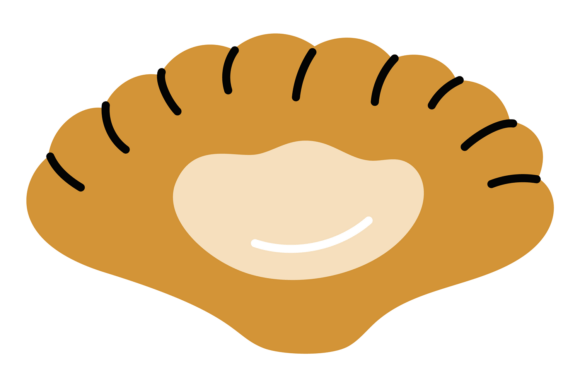
When we talk about a vector cartoon flat isolated illustration, we are referring to a specific style of digital art that has dominated modern design trends for the last decade. The "flat" aspect means the image lacks three-dimensional effects like shadows, gradients, or textures, resulting in a clean, two-dimensional look. This style is particularly effective for seashells because it emphasizes their iconic shapes—the spiral of a conch, the ridges of a clam, or the fan-like structure of a scallop.
The use of vector graphics, typically saved in EPS format, is crucial for professional workflows. Unlike raster images (such as JPGs), vectors are mathematical representations of shapes. This means they can be scaled up to the size of a billboard or down to the size of a favicon without losing any quality. For designers, this flexibility is invaluable. You might start with a small icon for a mobile app and later decide to use the same seashell underwater element doodle draw for a large-format print poster. With vector files, this transition is effortless.
However, the availability of high-resolution JPG files also plays a significant role. Not every user has access to advanced design software like Adobe Illustrator. For bloggers, social media managers, and casual creators, a high-quality JPG provides a ready-to-use asset that can be dragged and dropped into presentations, documents, or web platforms. The combination of EPS for professionals and JPG for general users ensures that these artistic elements are accessible to a wide audience.
The Charm of the Doodle Style
Why choose a doodle style over a photorealistic rendering? The answer lies in emotional connection and versatility. Photorealistic images of seashells can sometimes feel cold or clinical, reminiscent of biology textbooks. In contrast, a tropical exotic clam rendered in a doodle style feels friendly, approachable, and whimsical. The hand-drawn quality, even when digitally perfected, adds a human touch that resonates with viewers.
Doodle drawings often feature slightly exaggerated proportions or playful colors. A seashell might be depicted in pastel pinks, bright turquoises, or sunny yellows, diverging from its natural coloration to fit a specific brand palette or mood. This artistic license allows creators to tailor the imagery to their specific needs. For instance, a children’s book about marine life might use bright, primary-colored shells, while a spa brochure might opt for muted, earthy tones to convey relaxation.
Practical Applications in Modern Design Workflows
The utility of decorative oceanic mollusks shell illustrations extends far beyond simple decoration. Here are several key areas where these elements shine:
- Branding and Identity: Coastal businesses, such as surf shops, beachfront hotels, and seafood restaurants, often incorporate seashell motifs into their logos and branding materials. A flat vector seashell can serve as a subtle icon in a letterhead or a prominent feature on packaging.
- Web and App Design: In user interface (UI) design, icons need to be clear and distinct. Seashell doodles can function as buttons, loaders, or decorative background elements for travel apps, weather widgets, or educational games focused on marine biology.
- Educational Materials: Teachers and content creators frequently use simplified illustrations to explain complex concepts. A seashell underwater element doodle draw can help illustrate lessons about marine ecosystems, anatomy, or environmental conservation without distracting students with unnecessary details.
- Textile and Product Design: The repetitive nature of flat patterns makes seashell illustrations ideal for fabric prints, wallpaper, and stationery. Imagine a summer dress adorned with a pattern of colorful clams and spirals, or a notebook cover featuring a minimalist shell design.
Each of these applications benefits from the "isolated" nature of the illustration. When an image is isolated, it means the background has been removed, leaving only the subject. This transparency allows designers to place the seashell over any color or texture without awkward white boxes or jagged edges. It integrates seamlessly into the existing design hierarchy.
Choosing the Right Format for Your Project
Selecting between EPS and JPG formats depends largely on your technical requirements and end goals. If you are preparing a file for professional printing, such as a brochure or a large banner, the EPS format is non-negotiable. Printers require vector files to ensure crisp edges and accurate color reproduction. Additionally, EPS files allow for easy editing. If you need to change the color of a tropical exotic clam to match your brand’s secondary color, you can do so instantly within vector software.
On the other hand, if your project is digital-only, such as a blog post, email newsletter, or social media graphic, a high-resolution JPG is often sufficient. JPGs are universally compatible and have smaller file sizes, which helps with website loading speeds. However, always ensure the JPG has a transparent background (often saved as PNG, though high-quality JPGs on white backgrounds are common for simple layouts) to maintain the clean look of the isolated illustration.
The Symbolism and Emotional Impact of Seashells
Beyond their aesthetic and functional qualities, seashells carry deep symbolic weight. They are universally associated with the ocean, travel, relaxation, and the passage of time. Incorporating a seashell underwater element doodle draw into your design can subtly communicate these themes to your audience.
For example, in wellness and mindfulness contexts, seashells evoke a sense of calm and grounding. The sound of the ocean, often imagined when seeing a shell, is a powerful trigger for relaxation. Using these illustrations in yoga studio branding, meditation apps, or spa menus can enhance the user’s psychological response to the material. Similarly, in travel marketing, seashells act as visual shorthand for vacation, escape, and adventure. They invite the viewer to imagine themselves on a sandy beach, far removed from the stresses of daily life.
Furthermore, the diversity of shell shapes allows for nuanced messaging. A sturdy, thick clam shell might suggest durability and protection, while a delicate, spiral conch could imply elegance and intricacy. Understanding these subtle associations helps designers choose the right illustration for the right message.
Sustainability and Ethical Considerations
In an era where environmental consciousness is paramount, using digital illustrations of marine life offers an ethical alternative to using real shells. The harvesting of seashells for commercial purposes can have negative impacts on marine ecosystems. By opting for a vector cartoon flat isolated illustration, creators can celebrate the beauty of oceanic mollusks without contributing to environmental degradation. This aligns with the values of eco-conscious brands and consumers who prioritize sustainability.
Moreover, digital assets are reusable and infinitely reproducible without additional resource consumption. Once you have purchased or created a set of seashell doodles, you can use them across countless projects without needing to source new physical materials. This efficiency not only saves money but also reduces the carbon footprint associated with traditional photography or physical product sourcing.
Tips for Integrating Seashell Doodles into Your Designs
- Maintain Consistency: If you are using multiple sea-themed elements, ensure they share the same stylistic traits. Mix matching line weights, color palettes, and levels of abstraction. A highly detailed realistic crab will clash with a simple flat seashell doodle.
- Use Color Strategically: While seashells come in many natural colors, don’t be afraid to deviate. Use color to guide the viewer’s eye or to align with your brand identity. A monochromatic blue scheme can create a cohesive underwater feel.
- Balance Negative Space: Because these illustrations are often simple, they work best when given enough breathing room. Avoid cluttering the design with too many elements. Let the decorative oceanic mollusks shell stand out as a focal point.
- Consider Context: Think about where the image will be viewed. On a small mobile screen, intricate details may be lost. In these cases, simpler, bolder doodles are more effective. For large prints, you can afford slightly more complexity.
In conclusion, the seashell underwater element doodle draw is more than just a pretty picture. It is a versatile design asset that combines aesthetic appeal with practical functionality. Whether you are working with vector EPS files for high-end print projects or using JPGs for quick digital content, these illustrations offer a way to connect with audiences on an emotional level. By understanding their characteristics and applying them thoughtfully, you can elevate your designs and create meaningful visual experiences that resonate with the timeless allure of the ocean.