Continuous Line Design of Arm: Art & Strength
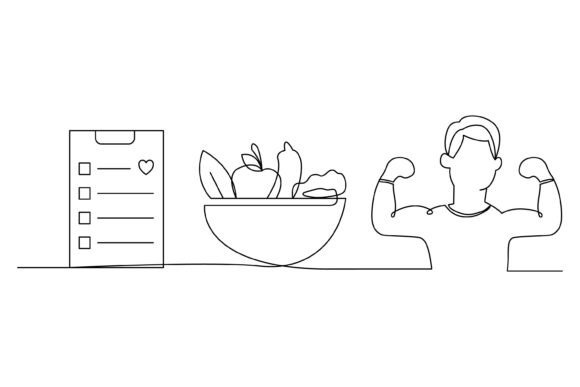
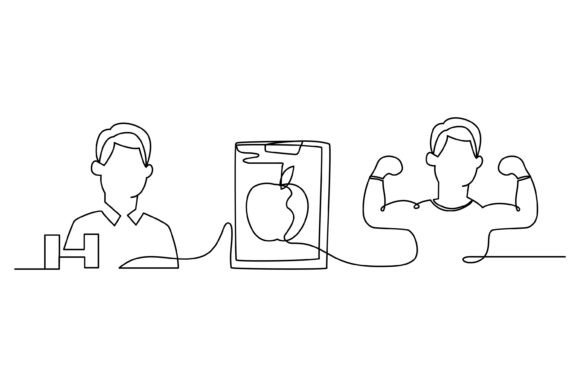
The intersection of anatomical precision and minimalist artistry creates a unique visual language that resonates with both fitness enthusiasts and creative professionals. A Continuous Line Design of Arm captures the essence of human form through a single, unbroken stroke. This technique is not merely an aesthetic choice; it represents fluidity, connection, and the seamless integration of structure and movement. When applied to themes of muscle strength training, this artistic approach offers a sophisticated way to visualize power without the clutter of complex shading or multiple outlines.
For creators, marketers, and educators, understanding the versatility of this design style opens up new avenues for branding, educational materials, and digital content. Whether you are designing a logo for a personal training studio, creating engaging social media graphics, or developing educational posters for anatomy classes, the single-line aesthetic provides a clean, modern look that stands out in a crowded digital landscape.
The Essence of Single-Line Anatomy
At its core, a continuous line drawing relies on the artist’s ability to map out complex shapes without lifting the pen from the paper—or in digital terms, without breaking the vector path. When focusing on the arm, this method highlights the major muscle groups such as the biceps, triceps, and deltoids through clever loops and curves. The result is a single line decorative element drawn on white that feels both organic and structured.
This style appeals to our brain’s desire for simplicity. In a world filled with visual noise, a minimalist arm design offers a moment of clarity. It strips away the non-essential details, leaving only the fundamental structure. For those interested in Continuous line design of arm muscle strength training, this abstraction allows viewers to focus on the concept of strength and form rather than getting lost in realistic textures. It suggests motion and potential energy, making it an ideal metaphor for progress and development in fitness contexts.
Practical Applications for Creators and Businesses
The utility of these designs extends far beyond simple decoration. Because the lines are clean and scalable, they are incredibly versatile for various professional applications. Here is how different audiences can leverage this asset:
- Branding and Logos: Fitness coaches, physiotherapists, and wellness brands can use a continuous arm icon as part of their logo. The unbroken line symbolizes holistic health and continuous improvement, values that resonate deeply with clients seeking long-term transformation.
- Digital Content and Social Media: Bloggers and influencers in the health niche can use these graphics as overlays for Instagram stories or YouTube thumbnails. The high contrast of black lines on a white background ensures readability even on small mobile screens.
- Educational Materials: Educators and textbook designers can utilize these simplified diagrams to introduce basic anatomy. By removing the complexity of full medical illustrations, students can grasp the general location and shape of muscle groups before diving into deeper biological details.
- Merchandise and Print: The minimalist nature of the design makes it perfect for t-shirts, tote bags, and posters. It fits well with modern interior design trends, appealing to customers who prefer subtle, artistic representations of their fitness journey over aggressive, bulky graphics.
Understanding the File Formats: EPS, SVG, and JPG
When acquiring digital assets like a Continuous Line Design of Arm, understanding the file formats is crucial for maximizing their value. Most professional packages include EPS, SVG, and JPG files, each serving a distinct purpose in your workflow.
SVG (Scalable Vector Graphics) is arguably the most important format for web designers and digital marketers. SVGs are resolution-independent, meaning they can be scaled up or down infinitely without losing quality. This makes them ideal for responsive websites where images need to look sharp on both retina displays and older monitors. Additionally, SVG code can be manipulated with CSS, allowing you to change the line color or add animation effects directly in the browser.
EPS (Encapsulated PostScript) is the standard for print professionals. If you are sending your design to a printer for high-quality brochures, business cards, or large-format banners, the EPS file ensures that the lines remain crisp and editable. Graphic designers using software like Adobe Illustrator prefer EPS because it preserves the vector paths, allowing for easy customization of the line weight or shape.
JPG (Joint Photographic Experts Group) is the universal format for quick previews and general use. While it is a raster image and cannot be scaled up without pixelation, it is widely supported by all devices and software. It is perfect for inserting into Word documents, PowerPoint presentations, or email newsletters where vector support might be limited.
Considerations for Effective Use
While the aesthetic appeal of continuous line art is undeniable, there are practical considerations to keep in mind to ensure it serves your specific goals. First, consider the context of Continuous line design of arm muscle strength training. If your audience is looking for detailed medical advice or precise biomechanical analysis, a minimalist line drawing may be too abstract. In such cases, it works best as a complementary visual rather than the primary instructional tool.
Second, pay attention to contrast and background. Since these designs are typically single line decorative elements drawn on white, they rely heavily on negative space. Placing a black line drawing on a busy or dark background can reduce visibility. If you need to use the design on a colored background, ensure you have the vector files (SVG or EPS) so you can invert the colors or adjust the stroke width for better legibility.
Finally, think about the emotional tone you wish to convey. Continuous lines suggest elegance, flow, and grace. If your brand voice is aggressive, high-intensity, or rugged, this style might need to be paired with bold typography or stronger colors to balance the softness of the line work. Conversely, for yoga studios, rehabilitation centers, or mindfulness apps, the gentle flow of the continuous line aligns perfectly with the brand identity.
Enhancing Your Creative Toolkit
Incorporating a Continuous Line Design of Arm into your project library is a smart move for anyone involved in visual communication. It bridges the gap between artistic expression and functional design. By offering a fresh perspective on human anatomy, it invites viewers to engage with the subject matter in a more contemplative way.
Whether you are a freelancer looking to add unique assets to your portfolio, a small business owner refreshing your brand identity, or an educator seeking clearer visual aids, this design style offers a blend of form and function. The availability of multiple file formats ensures that you can adapt the artwork to any medium, from digital screens to printed merchandise. Embracing this minimalist approach allows you to communicate complex ideas about strength and structure with simplicity and elegance.