Continuous Line Design of Man Sleeps
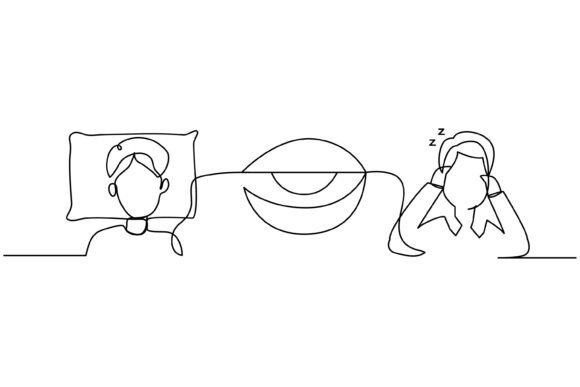
The continuous line design of man sleeps captures a universal human experience through the elegant simplicity of a single, unbroken stroke. This artistic approach strips away unnecessary detail, focusing instead on flow, form, and the emotional resonance of rest. When we observe a figure rendered in one continuous line, we are not just seeing a drawing; we are witnessing a journey of the pen that mirrors the continuity of breath and the cyclical nature of sleep itself. For designers, marketers, and creators, this style offers a versatile visual language that communicates calm, vulnerability, and peace without the noise of complex shading or color.
What makes this specific motif so compelling is its duality. On one hand, it is a decorative element, perfect for minimalist interiors, branding, or digital backgrounds. On the other, it carries narrative weight. The variation where the man sleeps soundly because of headache introduces a layer of relatability and relief. It speaks to the modern condition of stress and the profound gratitude of finding respite. This nuanced interpretation transforms a simple graphic into a storytelling device, making it highly effective for content related to wellness, healthcare, mental health awareness, and lifestyle balance.
The Artistic Appeal of Unbroken Lines
Continuous line art, often referred to as one-line drawing, relies on the principle that less is more. By restricting the artist to a single path, every curve and angle must serve a purpose. There is no place to hide mistakes, which results in a confident, fluid aesthetic. When applied to the subject of a sleeping figure, the technique emphasizes the softness of the human form. The lines tend to be organic and rounded, avoiding sharp, aggressive angles that might disrupt the sense of tranquility.
For creative professionals, understanding the mechanics behind this style is crucial for effective application. The continuous line design of man sleeps works best when the negative space is considered as carefully as the line itself. The white background is not merely empty; it is an active component of the composition. This high-contrast relationship ensures legibility across various mediums, from small social media icons to large-scale wall murals. The simplicity allows the eye to travel smoothly along the contour, creating a meditative viewing experience that aligns perfectly with the subject matter.
Practical Applications for Creators and Brands
The versatility of this design format opens doors for numerous practical applications. Because the files are typically available in vector formats like EPS and SVG, as well as raster formats like JPG, users can scale the image without losing quality. This technical flexibility is essential for modern workflows where a single asset might need to appear on a business card, a website header, and a billboard.
- Wellness and Healthcare Marketing: The depiction of a man sleeping soundly due to relief from a headache is particularly powerful for pharmaceutical brands, chiropractic clinics, or meditation apps. It visually demonstrates the "after" state of a problem-solution narrative. Using this image in brochures or landing pages can subtly communicate efficacy and comfort.
- Interior Design and Decor: Minimalist home decor thrives on understated elegance. A framed print of this continuous line design can serve as a focal point in a bedroom or living area, promoting a serene atmosphere. The monochromatic nature of the black line on white allows it to blend seamlessly with various color palettes.
- Digital Content and Blogging: Bloggers writing about sleep hygiene, stress management, or work-life balance can use this graphic as a featured image or inline illustration. It breaks up text-heavy articles while reinforcing the theme of rest. The clean aesthetic ensures it does not distract from the written content but rather enhances readability.
- Product Packaging: For brands selling pillows, mattresses, or aromatherapy products, this design adds a touch of sophistication. It suggests that the product delivers not just physical comfort, but emotional peace. The vector files allow for easy integration into packaging templates, ensuring crisp printing on boxes and labels.
Adapting the Design for Different Audiences
While the core image remains the same, its interpretation can shift based on the context and audience. For a corporate audience focused on productivity, the continuous line design of man sleeps might represent the importance of rest for cognitive function. Here, the design could be paired with bold, sans-serif typography and data-driven headlines about the benefits of sleep. The tone is professional, efficient, and grounded in science.
Conversely, for a lifestyle or hobbyist audience, the same image can evoke a sense of cozy indulgence. Paired with softer, serif fonts and warm accent colors, it becomes an invitation to slow down. Educators might use it to discuss art techniques, demonstrating how constraint breeds creativity. Freelancers and entrepreneurs, often prone to burnout, may find personal resonance in the image, using it as a reminder to prioritize their well-being.
To keep results clear and effective, consider the surrounding elements. If the goal is to highlight the relief from pain, ensure the accompanying copy addresses the struggle before the rest. If the goal is purely decorative, let the line stand alone, allowing viewers to project their own feelings onto the figure. Consistency in style is key; if you use this continuous line aesthetic in one part of your brand identity, maintain that minimalism across other visual assets to build a cohesive look.
Technical Considerations and File Formats
When acquiring or creating this type of asset, understanding the file formats is essential for maintaining quality. The EPS (Encapsulated PostScript) and SVG (Scalable Vector Graphics) formats are ideal for editing and scaling. Designers can open these files in software like Adobe Illustrator or Inkscape to adjust the line weight, change the color, or integrate the figure into larger compositions. The vector nature ensures that the line remains crisp whether it is printed on a tiny sticker or a large banner.
The JPG format, while not editable in the same way, is perfect for immediate use in web environments where file size and compatibility are priorities. It provides a ready-to-use image that loads quickly and displays consistently across browsers. For users who are not graphic designers, having access to all three formats ensures that they can utilize the continuous line design of man sleeps regardless of their technical skill level or specific project requirements.
Creative Variations and Future Projects
The beauty of continuous line art lies in its potential for variation. While the sleeping man is a strong standalone image, it can also be part of a series. Consider creating complementary designs featuring other states of rest or daily routines, all rendered in the same single-line style. This creates a visual library that can be used for sequential storytelling or thematic campaigns. You might explore different angles of the sleeping figure, or vary the tightness of the curls to suggest different levels of deep sleep.
Furthermore, this design approach encourages experimentation with medium. While traditionally digital or ink-based, the concept can be translated into physical forms such as wire sculptures, neon signs, or laser-cut wood panels. The single line translates beautifully into three-dimensional space, offering tactile opportunities for interior designers and event planners. By thinking beyond the two-dimensional page, creators can find new ways to engage their audiences with this timeless motif.
Ultimately, the continuous line design of man sleeps is more than just a decorative element. It is a tool for communication, a symbol of relief, and a testament to the power of simplicity. Whether you are designing a brand identity, decorating a home, or creating content that matters, this image offers a grounded, inspiring foundation. By leveraging its clarity and emotional depth, you can create work that resonates with people on a fundamental level, reminding them of the quiet joy found in a good night's rest.