Continuous Line Design of Cake
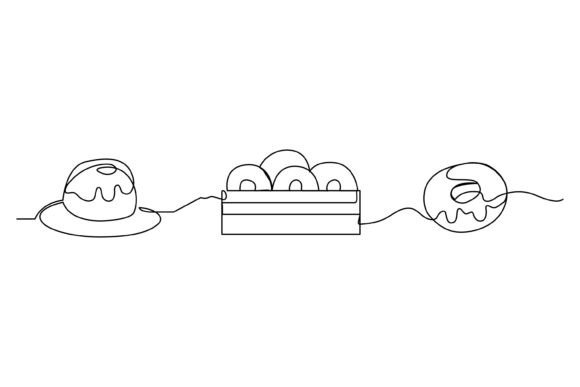
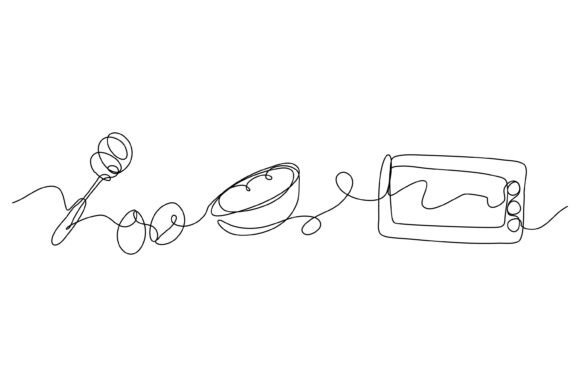
In the realm of modern visual communication, simplicity often speaks louder than complexity. The Continuous Line Design of Cake exemplifies this principle, offering a minimalist yet sophisticated aesthetic that captures attention through elegance rather than clutter. This artistic approach, characterized by a single, unbroken stroke that forms the shape of a cake or baking equipment, has become a staple for designers seeking to convey warmth, creativity, and artisanal quality without overwhelming the viewer.
From a professional graphic design perspective, the appeal of continuous line art lies in its versatility and clarity. It strips away unnecessary details, focusing instead on the essential contours and flow of the subject. This style is not merely a trend; it is a strategic tool for enhancing brand identity and improving user experience across various digital and print mediums. When executed correctly, such as with a single line decorative element drawn on white, it creates a sense of movement and fluidity that static, heavy illustrations often lack.
The Strategic Value in Branding and Identity
Integrating a Continuous Line Design of Cake into your brand assets can significantly elevate your visual hierarchy. For bakeries, patisseries, and culinary startups, this style communicates professionalism and modern aesthetics. It suggests a brand that values precision and artistry, qualities that resonate deeply with contemporary consumers. Unlike traditional, detailed illustrations, line art scales effortlessly. Whether it is shrunk down for a favicon or enlarged for storefront signage, the integrity of the design remains intact, ensuring consistent brand recognition.
Moreover, this design style complements a wide range of typography choices. Its clean lines do competing with bold serif fonts or sleek sans-serifs, allowing for harmonious logo design combinations. By maintaining a neutral color palette or using a single accent color, designers can ensure that the focus remains on the form and the message, reinforcing the core values of the business.
Versatile Applications Across Media
The utility of these creative assets extends far beyond simple logos. Because the design is inherently flexible, it serves as a powerful component in diverse marketing and design workflows. Here are several key areas where this visual style excels:
- Social Media Graphics: The minimalist nature of line art stands out in crowded feeds, offering a breath of fresh air amidst noisy, colorful advertisements.
- Packaging Design: On boxes, labels, and wrappers, a continuous line illustration adds a touch of premium elegance without requiring expensive multi-color printing processes.
- Web and UI Design: These elements load quickly and look crisp on high-resolution screens, enhancing the overall UX design by providing visual interest without slowing down site performance.
- Editorial and Print Design: In magazines, menus, or brochures, these illustrations can serve as subtle dividers, headers, or background textures that guide the reader’s eye through the content.
When considering the Continuous line design of cake making equipment, the same principles apply. Illustrating mixers, ovens, or whisking tools in this style can help contextualize a brand’s offerings, suggesting a behind-the-scenes look at the craft while maintaining a polished, professional presentation.
Technical Considerations for Designers
To maximize the impact of these assets, it is crucial to start with high-quality file formats. Professional designers should prioritize vector-based files such as EPS and SVG. These formats allow for infinite scalability without loss of quality, ensuring that every curve and corner remains sharp regardless of size. Additionally, having access to JPG versions provides convenience for quick previews or platforms that do not support vector uploads.
When selecting a design, evaluate the weight of the line. A thicker stroke may convey boldness and stability, suitable for established brands, while a thinner line might suggest delicacy and refinement, ideal for luxury boutiques. Consistency is key; ensure that the line weight and style match other elements in your design system to maintain a cohesive visual language.
Furthermore, consider the negative space. In continuous line drawings, what is left out is just as important as what is included. The white space around the single line decorative element drawn on white background helps define the shape and prevents visual clutter. This balance is essential for maintaining readability and ensuring that the design communicates its message instantly.
Ultimately, the choice to use a Continuous Line Design of Cake is a decision to embrace clarity and sophistication. By leveraging these high-quality creative assets, designers and business owners can create compelling visual narratives that engage audiences, strengthen brand loyalty, and stand out in a competitive market. Thoughtful integration of such elements transforms ordinary designs into memorable experiences, proving that in design, less truly can be more.